
The Allure of High-Stakes Gambling
High-stakes casino games are often a magnet for thrill-seekers and risk-takers. The allure stems not only from the potential for substantial financial gains but also from the adrenaline rush that accompanies each game. Players are drawn to the atmosphere of excitement and anticipation, where every roll of the dice or flip of the card can lead to life-changing outcomes. This emotional high can create a powerful psychological connection to the game, drawing players back time and again. Engaging in an online casino can also heighten this sense of thrill and accessible excitement.
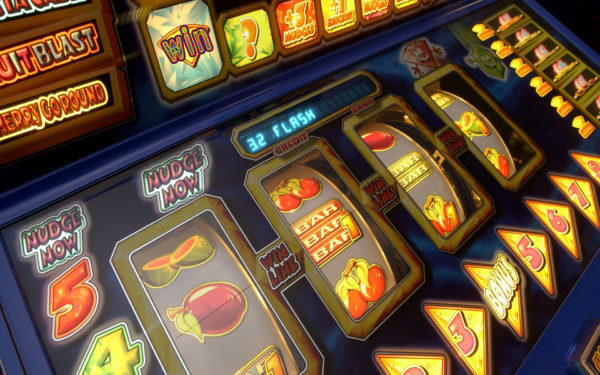
Moreover, the environment of a casino enhances this allure with bright lights, lively sounds, and an atmosphere charged with energy. This sensory overload can heighten emotions, making the gaming experience even more compelling. The psychology behind this phenomenon reveals much about human behavior and our inclination toward risk, suggesting that the thrill of potentially winning large sums can overshadow the reality of losses.
The Role of Risk and Reward
The psychology of high-stakes gambling is deeply intertwined with concepts of risk and reward. Players often engage in a cost-benefit analysis, weighing the excitement of a potential win against the stark reality of loss. The prospect of winning large payouts can lead to a sense of invincibility, where players feel they have more control over the outcome than they actually do. This cognitive bias often clouds judgment, causing players to chase losses or make increasingly risky bets in hopes of recovering past losses.
This dynamic is further fueled by the intermittent reinforcement schedule prevalent in gambling. Wins are sporadic and unpredictable, creating a potential for addiction as players continue to play in hopes of experiencing that next big win. Over time, these patterns can have significant psychological effects, leading to compulsive behaviors and a distorted sense of reality regarding luck and skill in high-stakes environments.
The Impact of Cognitive Biases
Cognitive biases play a crucial role in how players approach high-stakes casino games. The illusion of control is one such bias, where players believe they can influence the outcome of games based on their actions or strategies, even in games of pure chance. This belief can lead to overconfidence, driving players to make decisions that are not in their best interest, thus perpetuating the cycle of gambling.
Additionally, the gambler’s fallacy, the belief that past events can influence future outcomes in random events, often leads to faulty reasoning. For instance, a player may believe that after several losses, they are “due” for a win. Such biases can skew a player’s understanding of probability and contribute to ongoing gambling behavior, despite the negative consequences that may arise.
The Social and Emotional Dimensions of Gambling
The social aspect of high-stakes casino games cannot be overlooked. Many players are drawn to the communal experience of gambling, where they can connect with others who share similar interests. The thrill of collective excitement during a game can enhance emotional engagement and foster a sense of camaraderie among players. This social bonding can create a unique atmosphere that reinforces the desire to participate, even at high stakes.
Furthermore, the emotional highs and lows associated with gambling can be intoxicating. The euphoric feelings of winning can lead to a temporary escape from daily stresses, making gambling a form of emotional relief for some. However, this emotional rollercoaster can also result in severe consequences, including anxiety, depression, and strained relationships, particularly when gambling becomes problematic.

Conclusion: Navigating the Complex World of Gambling
Understanding the psychology behind high-stakes casino games can offer critical insights into why individuals are drawn to gambling despite the risks involved. The interplay of excitement, cognitive biases, and social factors creates a complex landscape where players often find themselves entangled in a cycle of risk and reward. Recognizing these psychological elements is vital for anyone looking to navigate the thrilling yet perilous world of high-stakes gambling.
Our website aims to provide users with valuable content on the psychological and emotional aspects of gambling while ensuring a safe browsing experience. By prioritizing user security and offering insights into the complexities of gambling behavior, we strive to create a platform that helps individuals make informed choices regarding their gambling activities.