
The Role of Cognitive Biases in Gambling
Cognitive biases play a significant role in how players approach gambling strategies in casinos. One common bias is the illusion of control, where individuals believe they can influence outcomes of games that are fundamentally based on chance. This psychological phenomenon often leads gamblers to employ strategies that they think will increase their odds of winning, even when the odds remain unchanged. In amongst their betting choices, some players have been known to explore sites that offer innovative options like bitcoin pokies, which can further complicate their decision-making process. Consequently, this illusion can lead to a false sense of confidence, prompting players to make riskier bets or play for longer periods than they should.
Another cognitive bias relevant to casino gambling is the gambler’s fallacy. This occurs when players believe that past events influence future outcomes in a random game, such as thinking a number is “due” to come up in a game of roulette after not appearing for several spins. This flawed reasoning can lead to poor decision-making and strategies that are not based on actual probabilities but rather on misconceptions about luck and chance.
The Emotional Dynamics of Gambling
The emotional factors tied to gambling strategies are as crucial as the cognitive biases. Many players experience intense emotions during their time at the casino, ranging from excitement and thrill to anxiety and frustration. These emotions can heavily influence their gambling behavior and decision-making processes. For instance, players on a winning streak may become overconfident and deviate from their established strategies, chasing losses or betting more aggressively.
Moreover, the emotional highs and lows associated with gambling can lead to a cycle of addiction. As players seek to replicate the euphoric feelings of winning, they may develop compulsive gambling habits. This emotional attachment to the outcome can cloud judgment and prompt players to continue playing even when it is not in their best interest, leading to detrimental financial consequences.
Strategic Approaches: Systems and Techniques
Many gamblers turn to various systems and techniques, believing that these can enhance their chances of winning. Popular strategies such as the Martingale system—where players double their bets after losses—are often rooted in the desire to regain previous losses quickly. While these systems can create an immediate sense of control, they can also lead to significant financial risk if players encounter a losing streak.
The psychology behind these strategies can be linked to a desire for predictability and order in an inherently unpredictable environment. Players seek patterns and methods that they can adhere to, hoping it will provide them with a competitive edge. However, it’s crucial to understand that these systems do not change the house edge, and reliance on them can result in greater losses over time.
Social Influences and Group Dynamics
The social environment of casinos also affects gambling strategies significantly. Players often observe and mimic the behaviors of others, especially in group settings. This phenomenon, known as social proof, can lead individuals to adopt particular strategies based on the success or failure of their peers. In social settings, the shared excitement can amplify both the highs and lows of the gambling experience, further influencing individual strategies.
Additionally, peer pressure can play a role, pushing players to engage in riskier betting or to participate in games that they might otherwise avoid. The desire to fit in or impress fellow gamblers can overshadow personal prudence, leading to decisions that may not align with a player’s typical risk tolerance or gambling strategy.

Understanding Casino Dynamics and Player Experience
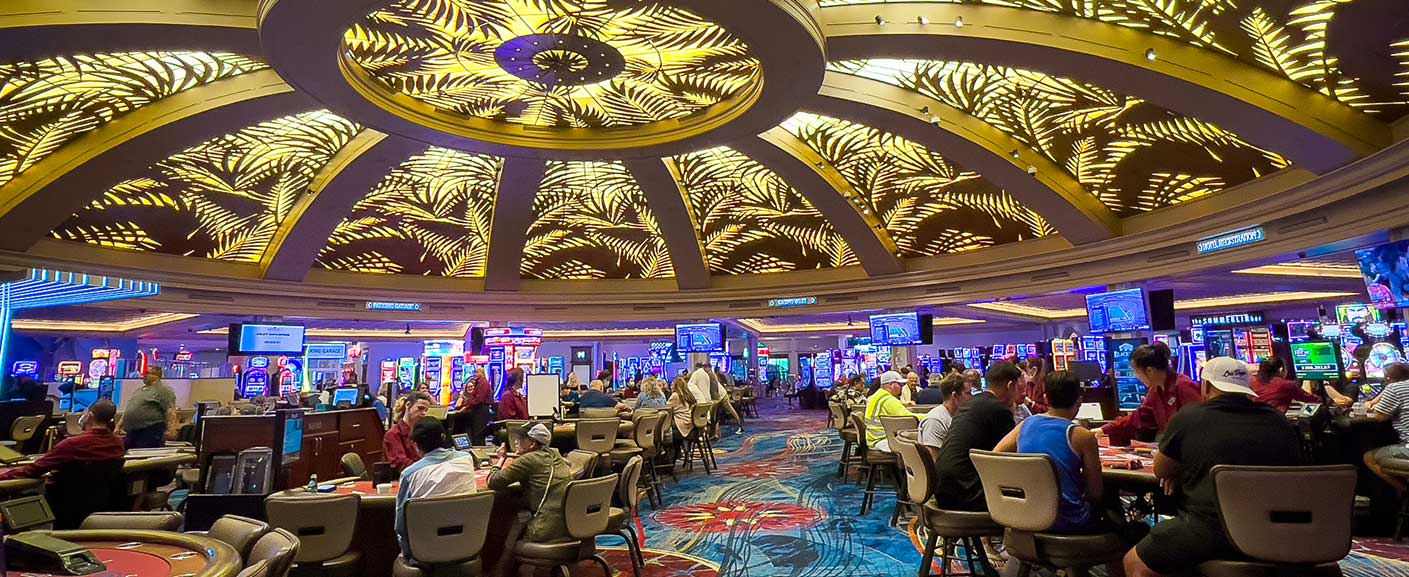
Understanding the psychological aspects of casino gambling is crucial for both players and operators. Casinos are designed to amplify the gaming experience through various elements such as lighting, sound, and layout. These sensory factors can impact decision-making and risk tolerance, creating an environment where players are more likely to extend their playtime.
By exploring the psychology behind gambling strategies, players can develop a more informed approach to their gaming habits. Awareness of cognitive biases, emotional influences, and social dynamics can empower gamblers to make better decisions, ultimately enhancing their overall experience at casinos. Responsible gaming practices should be stressed as a way to enjoy the thrill of gambling while minimizing the risks associated with impulsive behavior.